How to Identify Greenwashing: A Shopper's Field Guide
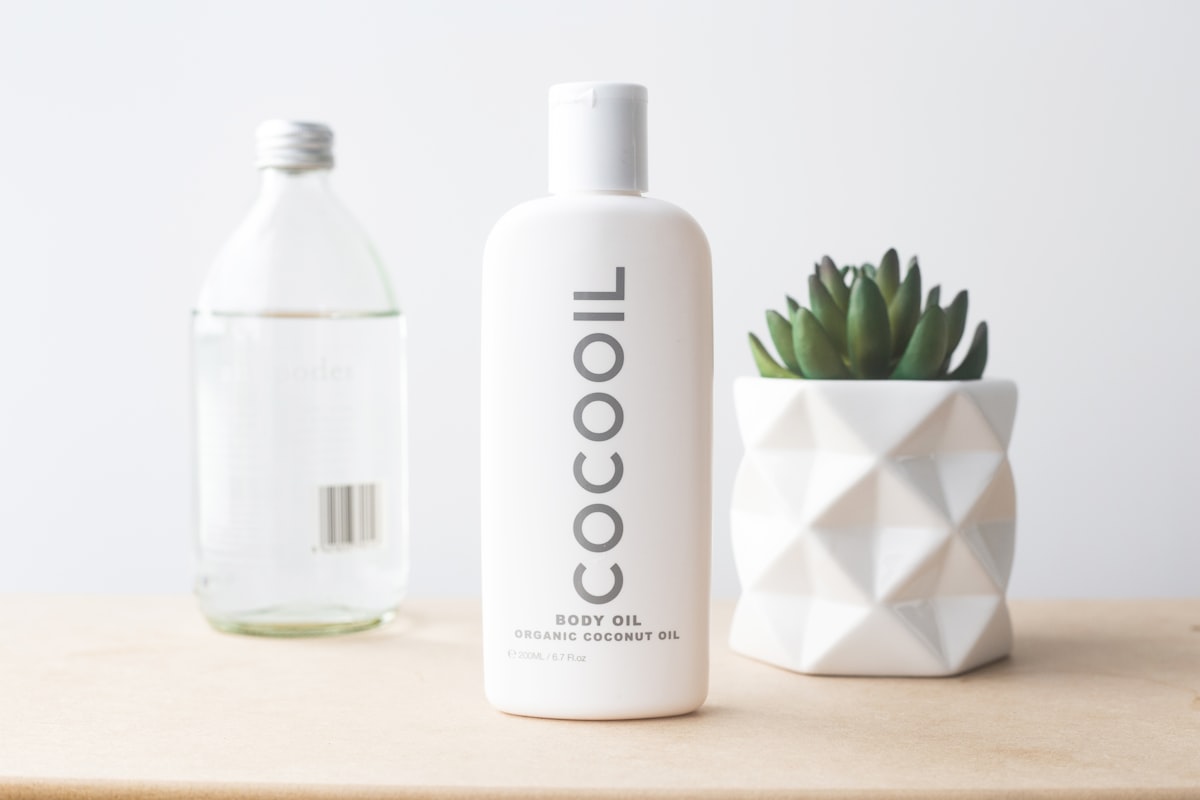
1. Vague language
Watch for words like 'green', 'natural', 'eco-friendly', 'clean' — none of these have legal definitions. If a brand can't back these up with certifications or measurable claims, treat them as marketing, not evidence.
2. Missing certifications
Named certifications like GOTS, USDA Organic, Fair Trade, B Corp, FSC and Rainforest Alliance are auditable. If a brand claims to be 'certified sustainable' without naming which one, it usually isn't.
3. Recyclable symbols on non-recyclable packaging
The universal recycling triangle is often printed on multi-layer plastic packaging that no recycling facility will actually process. Check the number inside the triangle and look up local recycling capability.
4. Unverified carbon-neutral claims
'Carbon neutral' should link to a lifecycle assessment and verified offset registry. Without that, it's a marketing claim.
5. 'Made from recycled materials' with no percentage
Recycled content matters only if it's a meaningful percentage. 5% recycled with 95% virgin plastic is not sustainable.
6. No transparency about supply chain
Brands doing the work publish supplier lists, factory audit reports, and material sourcing details. If everything is behind vague marketing, be skeptical.